When organizations embark on a new system implementation, discussions often revolve around functionality, automation, timelines, and go-live readiness. Yet one of the most critical success factors is frequently underestimated: data migration.
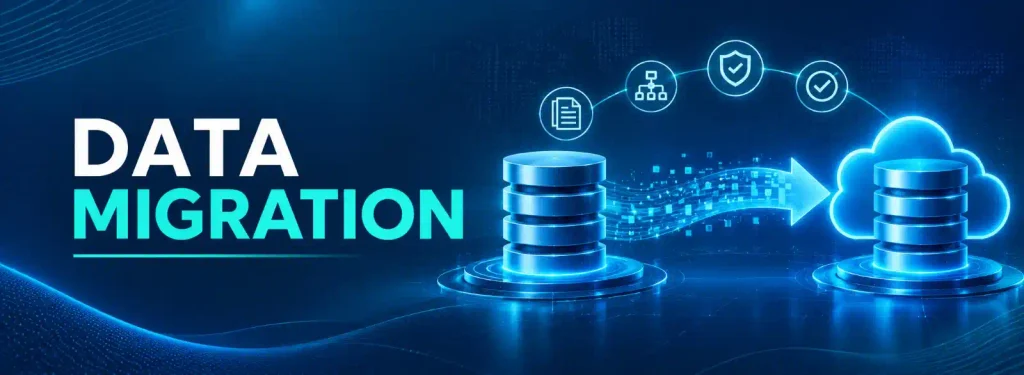
Data migration is often perceived as a technical activity, transferring information from one system to another. In reality, it is a business transformation exercise that directly impacts user adoption, reporting accuracy, operational efficiency, and decision-making.
The Common Misconception
One of the most common statements heard during migration projects is:
“Let’s migrate everything. We might need it one day.”
While this approach may seem safe, it often results in organizations carrying years of duplicate, incomplete, outdated, or inaccurate data into a new environment.
A new system should not become a new home for old problems.
Instead, data migration should be viewed as an opportunity to assess what information truly adds value to the business and what should be left behind.
The Real Challenge Isn’t Moving Data
Modern migration tools can move large volumes of data efficiently. The greater challenge lies elsewhere.
Organizations frequently encounter issues such as:
- Inconsistent data across business units
- Missing or duplicate records
- Lack of data ownership
- Different interpretations of the same information
- Poor data quality accumulated over time
The success of a migration is not measured by how much data is transferred. It is measured by whether users trust and can effectively use that data after go-live.
Business Ownership Matters
Data migration cannot be owned solely by the technology team.
Business users play a critical role in:
- Validating data accuracy
- Defining migration rules
- Identifying obsolete records
- Testing migrated data
- Ensuring alignment with future business processes
Without active business involvement, organizations risk migrating data that no longer supports operational requirements.
Data Quality Before Data Quantity
A successful migration begins with asking the right questions:
- Is the data accurate?
- Is it complete?
- Is it still relevant to the business?
- Who is responsible for validating it?
- Will it support future reporting and operational needs?
Focusing on data quality rather than data quantity helps organizations maximize the value of their new system while reducing post-implementation issues.
Migration Is an Opportunity for Improvement
Too often, migration projects attempt to replicate existing processes exactly as they exist today.
The transition to a new system provides an ideal opportunity to:
- Standardize data structures
- Remove duplicate information
- Improve governance
- Align business processes
- Establish a single source of truth
Organizations that embrace data migration as a transformation initiative, rather than a technical task, are better positioned to realize the full benefits of their technology investment.
Key Takeaway
Data migration is not simply about moving information from one system to another.
It is about ensuring that the right data is available, trusted, and aligned with future business needs.
The success of any new system depends not only on the technology being implemented but also on the quality of the data that powers it. When organizations invest time in cleansing, validating, and governing their data, they create a strong foundation for adoption, efficiency, and long-term business value.